
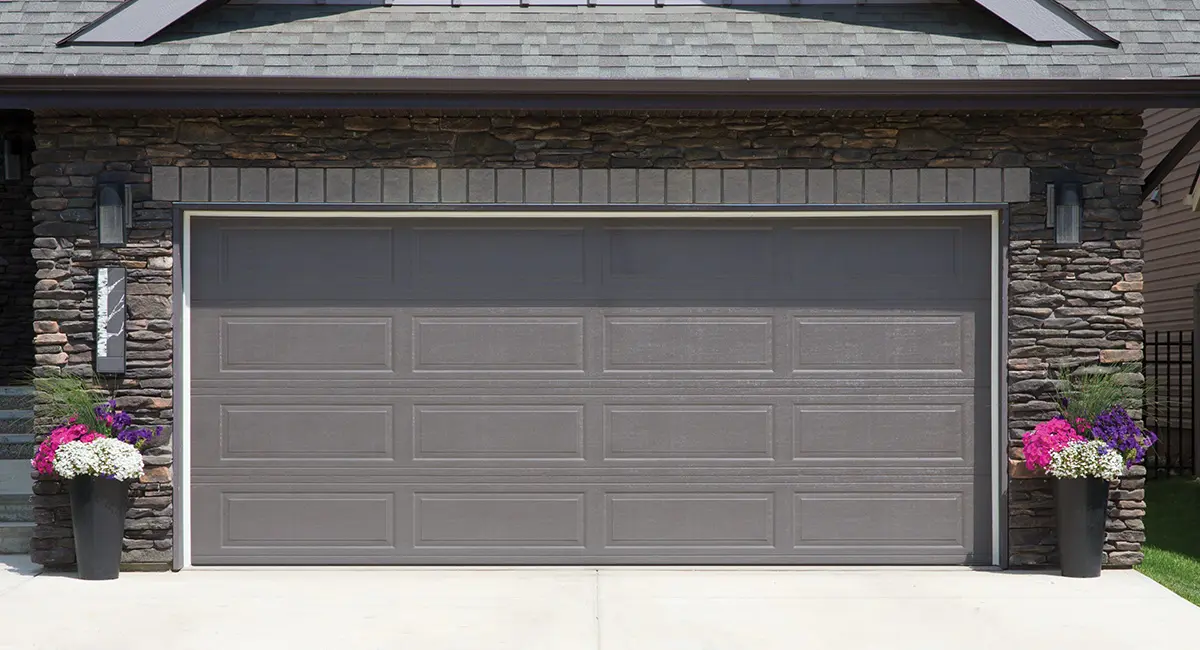
Steel garage doors are still one of the most reliable choices out there for homeowners who don’t want to fuss over maintenance every season. Better dent resistance than wood. Better against Houston humidity than untreated materials. Lasts years with basic care. Our garage door repair team works with steel constantly, and honestly, we’ve seen every version of what keeps these doors running well and what wrecks them early.
Steel is common — you probably knew that already. What a lot of homeowners don’t realize is how much the quality swings between models. Thin, low-gauge steel dents if you look at it wrong. Thicker, better steel shrugs off a stray basketball or an accidental bump from the car. That difference matters more than the sticker price suggests.
Steel doors come in single, double, or triple-layer construction. The single layer is just steel, no insulation at all. Double-layer adds insulation behind the steel. Triple-layer sandwiches insulation between two steel sheets — strongest option, most energy efficient too, and honestly the one we recommend most often for anyone asking about insulated steel doors. Curious what else is out there? Our full service lineup covers other materials if you want to compare.
Rust protection matters here, especially in a humid climate. Quality manufacturers apply a galvanized coating plus a baked-on paint finish that resists corrosion for years. Cheaper models skip that step. You’ll see it show up fast as rust spots near the bottom panel, usually within the first couple years.
Understanding Steel Gauge Thickness Before You Buy
Steel gauge thickness tells you how much force a door can absorb before it dents or bends. Lower numbers mean thicker steel. A 24-gauge door offers solid protection for most homes. A 25 or 27-gauge door works fine too, if you’re dealing with a lighter-duty situation and less traffic near the driveway.
Why Gauge Matters in Houston Weather
Wind gusts during storm season put real pressure on a garage door — more than most people think about until it happens. A thicker gauge holds its shape better under that pressure. That protects your home, your car, whatever’s stored inside. Not a small thing when a tropical system rolls through. We’ve replaced plenty of doors after a single bad storm season, so this isn’t hypothetical.
Balancing Cost and Strength
You don’t always need the thickest steel available. A mid-range gauge usually strikes the right balance for a standard residential garage. Our team walks you through the tradeoffs based on how exposed your home is to wind, sun, and daily wear and tear.

How to Prevent and Repair Steel Door Dents
Dents happen from ordinary accidents, most of which are avoidable. Back out slowly. Keep bikes and tools clear of the door’s swing path. Bumper guards near the base help too. A well-tuned chain drive opener also stops smoothly instead of jolting, which reduces the kind of impact that loosens panels over time.
Small dents often don’t need a full panel replacement. Our technicians use panel-specific tools to gently reshape them, restoring both function and looks. Larger dents that mess with the door’s structure or track alignment usually call for a panel swap instead. We’ll tell you honestly which category yours falls into, no upselling.
Quick self-check before you call for repair:
- Visible dents, bends, or warping
- Scraping or hesitation when opening
- Grinding or popping noises
- Rust or moisture damage on the bottom panel
- A door that no longer seals tight at the base
Choosing a Rust Resistant Garage Door for Long-Term Value
A rust resistant garage door saves money over time, even if it costs a bit more going in. Galvanized steel with a factory-baked finish stands up to years of humidity and sun without corroding. You skip the early panel replacement, and your home keeps looking sharp instead of showing its age around the edges.
Signs Your Current Door Needs Attention
Small rust spots near the bottom, bubbling paint, a rough texture where it used to be smooth. These are early signs. Address them fast — rust spreads and weakens steel if you leave it alone. A quick check of your garage door springs during the same visit catches two problems in one trip, which saves you a second service call.
Installation Tips for a Weather Resistant Garage Door
A weather resistant garage door depends on installation as much as material. Misaligned tracks, sloppy weatherstripping, an unbalanced door — all of that undercuts even the strongest steel. Doesn’t matter how good the material is if the install was rushed.
Best results come from a trained technician handling measurement, leveling, and hardware. A door that looks great on paper still fails early with a corner-cut install. Our team double-checks alignment, seals, and spring tension before calling any job done. We’d rather spend an extra fifteen minutes on that check than get a callback next month.
The Insurance Institute for Business & Home Safety notes that properly rated and installed garage doors play a meaningful role in a home’s overall wind resistance during severe weather. Reinforces why the install matters just as much as the door itself, if not more.
What to Expect From a Professional Steel Door Service Visit
A thorough inspection comes first, always. Our technicians check panel condition, track alignment, spring tension, and opener function together — these parts work as one system, not in isolation. A door that looks fine on the surface can still be hiding a track or spring issue that shows up three months later.
You’ll also get a plain explanation of your options before anything starts. Repair versus replacement, the specific damage we found, upfront pricing. No guessing games about what a technician is doing or why a repair matters.
Frequently Asked Questions About Steel Garage Doors
How Long Do Steel Garage Doors Typically Last?
Twenty to thirty years with proper care, roughly. Insulated, galvanized models sit at the longer end. Thinner, uncoated panels wear out faster, especially in a humid coastal climate like ours.
Should You Repair or Replace a Damaged Steel Panel?
Repair works when the rest of the door is structurally sound and damage stays limited to one section. Widespread rust, multiple dents, an outdated insulation core — that’s usually when full replacement beats repeated patch jobs.
Do Insulated Steel Doors Cost Much More Than Uninsulated Ones?
A moderate premium, yes. Often pays for itself through lower energy bills and quieter operation. Homeowners with an attached garage or living space above it tend to see the fastest return.
How Do You Know If Your Door Needs Repair or Full Replacement?
Look at the overall condition. A single dent or one rusted panel usually means a straightforward repair. Rust across multiple panels, a warped frame, repeated breakdowns in a short window — that’s replacement territory, and honestly, it’ll save you money over more patch repairs down the line.
If your steel garage door needs a repair, an upgrade, or a fresh installation, contact Ultra Garage Door Services and our Houston-based technicians at Ultra Garage Door Services will get your door working like new.


